An Educational Resource
Navigating the Foundations of Wholesome Nutrition
A structured exploration of food groups, essential nutrients, hydration, and the principles of balanced eating — presented as an independent, curatorial knowledge resource.
Explore the Collection
Exhibition I
Introduction to Wholesome Nutrition
Wholesome nutrition describes an approach to eating that centers on the quality and variety of foods consumed rather than strict quantitative measures. It recognizes food as a complex system of interacting components — macronutrients, micronutrients, fiber, water — each contributing to overall physiological function.
Understanding the composition of foods, the role of different nutrient categories, and the principles that underpin a varied diet forms the basis of nutritional literacy. This resource presents those foundational concepts in a structured, non-prescriptive manner.
Nutrient Density
The concentration of essential nutrients relative to energy content in a given food.
Food Variety
Consuming a wide range of food types to obtain a broad spectrum of nutrients.
Whole Foods
Foods that are minimally processed and as close to their natural state as possible.
Dietary Balance
The proportional relationship between different food categories within a regular eating pattern.
Exhibition II
The Role of Macronutrients
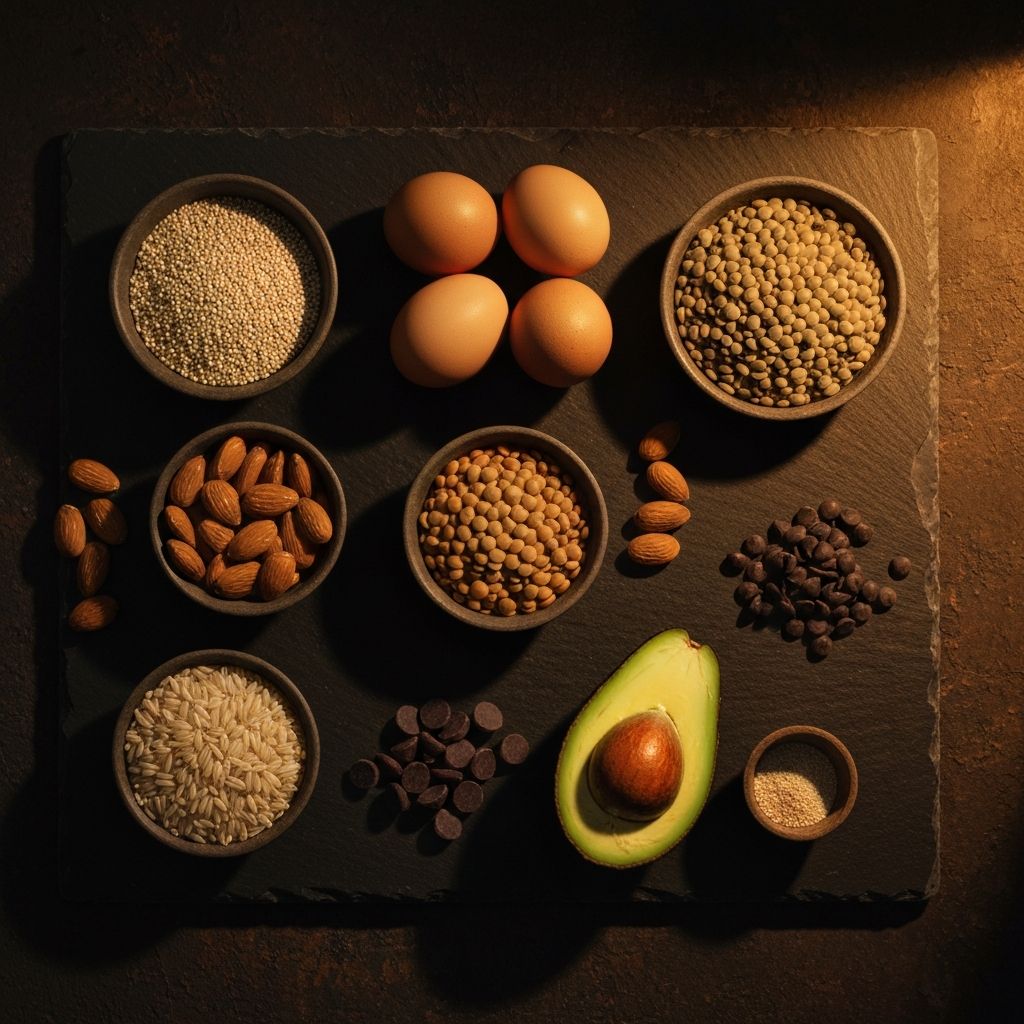
Macronutrients are the three primary classes of nutrients that provide energy and structural material for the body. Each category serves distinct and complementary functions within the overall nutritional framework.
Proteins
Proteins are composed of amino acids and serve as the primary structural components of cells, tissues, and enzymes. They are involved in virtually every biological process.
- Legumes — lentils, chickpeas, beans
- Whole grains — quinoa, amaranth
- Nuts and seeds — almonds, hemp seeds
- Eggs and dairy products
Carbohydrates
Carbohydrates are the body's primary energy source. They exist as simple sugars, starches, and dietary fiber, each behaving differently within the digestive and metabolic systems.
- Whole grains — oats, brown rice, barley
- Root vegetables — sweet potato, yam
- Fruits — berries, apples, bananas
- Legumes — source of complex starches
Dietary Fats
Fats are essential for cell membrane integrity, fat-soluble nutrient absorption, and hormonal synthesis. The type and source of dietary fat are considered significant nutritional variables.
- Avocado and avocado oil
- Olive oil — extra virgin
- Fatty fish — sardines, mackerel
- Walnuts, flaxseeds, chia seeds
Comparative Reference — Macronutrient Sources
| Food Source | Primary Macronutrient | Secondary Macronutrient | Notable Characteristic |
|---|---|---|---|
| Lentils (cooked) | Protein | Carbohydrate | High dietary fiber content |
| Quinoa (cooked) | Carbohydrate | Protein | Contains all essential amino acids |
| Almonds | Fat | Protein | Rich in monounsaturated fats |
| Brown rice | Carbohydrate | Trace protein | Retains bran and germ layers |
| Eggs | Protein | Fat | Complete protein profile |
| Chia seeds | Fat | Carbohydrate (fiber) | Significant omega-3 fatty acid content |
| Sweet potato | Carbohydrate | Trace protein | Beta-carotene and potassium source |
Exhibition III
Essential Micronutrients in Diet
Micronutrients — vitamins and minerals — are required in smaller quantities than macronutrients but are indispensable for a wide range of physiological processes. A varied diet drawing from multiple food categories is the primary mechanism by which the body obtains these compounds.
Group A
Vitamins
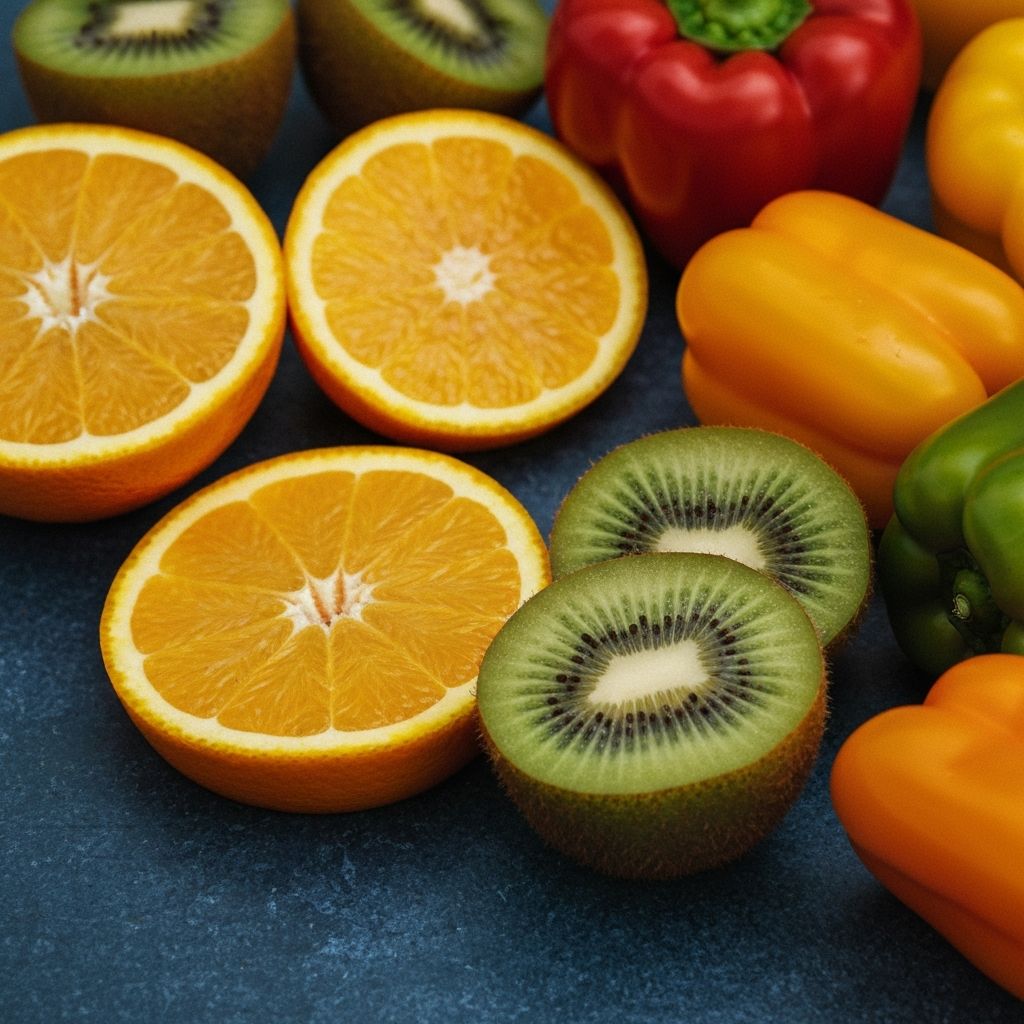
Vitamins are organic compounds that regulate metabolic processes, support cellular function, and facilitate nutrient utilization. They are broadly classified as water-soluble or fat-soluble.
- Vitamin C — citrus fruits, bell peppers, kiwi
- Vitamin A — carrots, leafy greens, sweet potato
- B vitamins — whole grains, legumes, eggs
- Vitamin K — kale, spinach, broccoli
- Vitamin E — sunflower seeds, almonds, avocado
Group B
Minerals
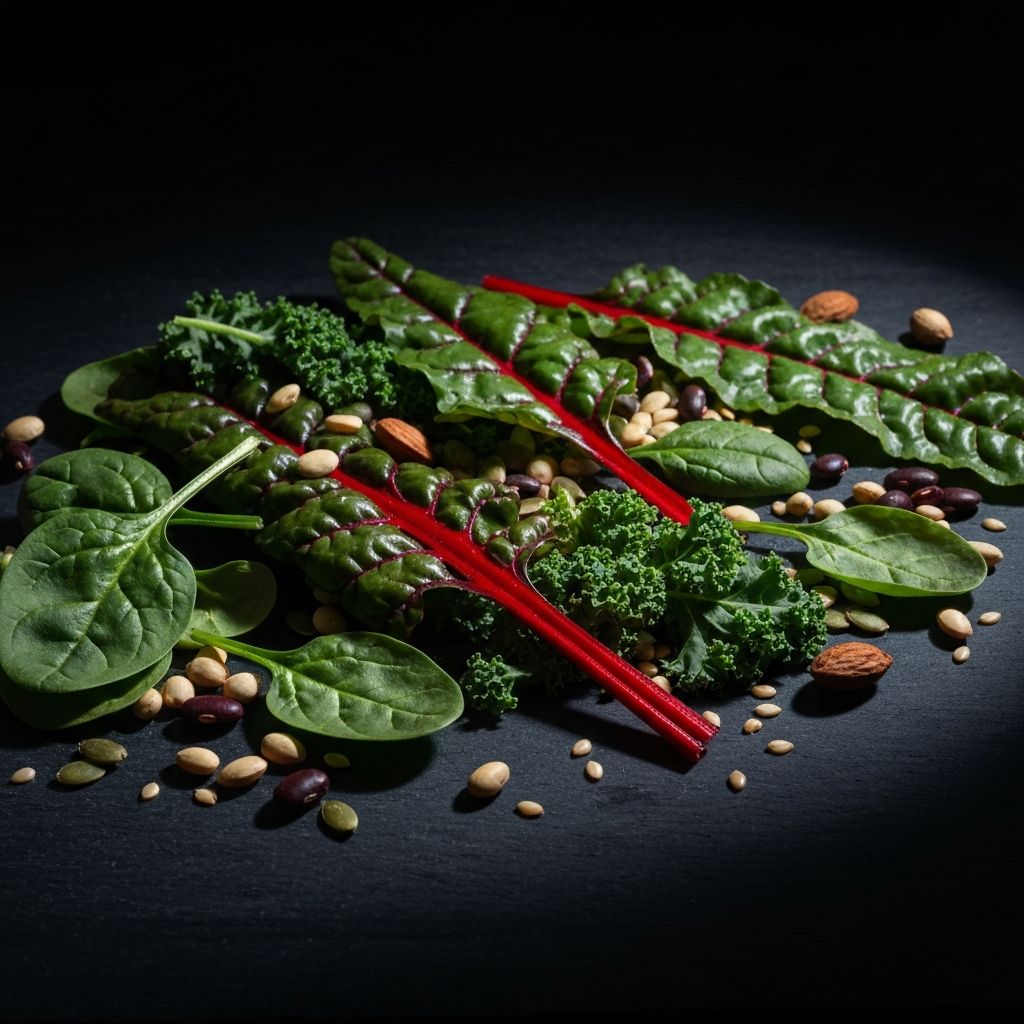
Minerals are inorganic elements that contribute to bone structure, fluid balance, nerve function, and enzymatic activity. They are obtained exclusively through dietary sources.
- Calcium — dairy, fortified plant milks, kale
- Iron — legumes, dark leafy greens, tofu
- Magnesium — nuts, seeds, whole grains
- Potassium — bananas, sweet potato, beans
- Zinc — pumpkin seeds, legumes, oats

Group C
Phytonutrients
Phytonutrients are bioactive compounds found in plant foods. They include antioxidants, polyphenols, and carotenoids. While not classified as essential nutrients, they are associated with the nutritional richness of plant-based foods.
- Anthocyanins — berries, red cabbage
- Lycopene — tomatoes, watermelon
- Quercetin — onions, apples, green tea
- Sulforaphane — broccoli, Brussels sprouts
- Lutein — spinach, kale, corn
Micronutrient Source Reference — Selected Examples
Exhibition IV
Hydration and Its Importance
Water is the most abundant compound in the human body and participates in virtually every biochemical process — from cellular metabolism and nutrient transport to temperature regulation and waste elimination. Understanding hydration means recognizing water not only as a beverage but as a fundamental component of many foods.
Hydration needs vary depending on environmental conditions, physical activity levels, and individual physiological characteristics. Fruits, vegetables, and soups contribute meaningfully to overall fluid intake alongside direct water consumption.
Plain water is the most direct and widely available hydration source, contributing to fluid balance without additional caloric components.
Fruits with high water content — cucumber, watermelon, strawberries — contribute both fluids and micronutrients simultaneously.
Herbal infusions and unsweetened teas represent culturally significant hydration sources across many regions of the world.
Electrolyte balance — primarily sodium, potassium, and magnesium — interacts closely with hydration status and is relevant to overall fluid regulation.
Exhibition V
Understanding Food Groups
Nutritional science organizes foods into categories based on shared macronutrient profiles, micronutrient contributions, and botanical or biological origins. These groupings provide a framework for understanding dietary variety.
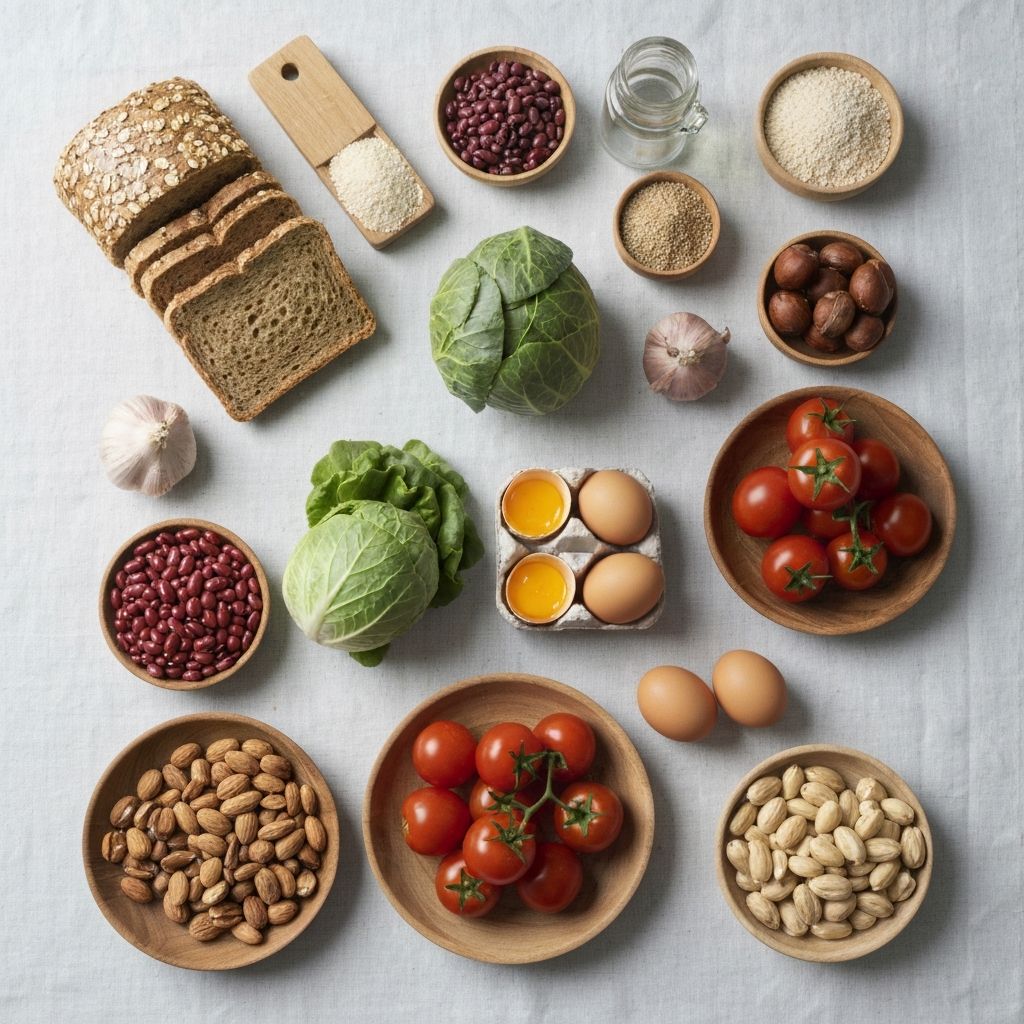
Whole Grains
Grains that retain their bran, germ, and endosperm layers. Oats, brown rice, quinoa, barley, and whole wheat are primary examples. They are significant sources of complex carbohydrates, B vitamins, and dietary fiber.
Vegetables
A broad category encompassing leafy greens, root vegetables, brassicas, alliums, and more. Each subcategory presents a distinct micronutrient and phytonutrient profile, underlining the importance of variety.
Fruits
Naturally sweet plant foods that provide simple sugars, dietary fiber, and a range of vitamins and antioxidants. Whole fruits retain their fiber structure, which moderates their glycemic impact.
Legumes
Beans, lentils, peas, and chickpeas are members of the legume family. They are notable for providing both protein and complex carbohydrates within a single food source, alongside significant fiber content.
Nuts and Seeds
Concentrated sources of healthy fats, plant-based proteins, minerals, and fat-soluble vitamins. Their compact nutritional density makes them a recognized component of varied dietary patterns.
Dairy and Alternatives
Traditional dairy products and plant-based alternatives provide calcium, protein, and fat. The nutritional profile varies considerably between animal-derived and plant-derived options in this category.
Exhibition VI
Basics of Meal Planning
Meal planning, in a nutritional context, refers to the deliberate organization of food intake across time. It is a concept studied within dietetics and culinary education as a means of understanding how food variety is achieved in practice.
-
Assess Food Group Representation
Examine whether multiple food groups appear across daily food intake, noting which categories are more or less frequently represented.
-
Consider Macronutrient Distribution
Observe the proportion of carbohydrates, proteins, and fats across meals as a descriptive exercise in nutritional composition awareness.
-
Include Seasonal and Whole Ingredients
Seasonal produce tends to reflect regional availability and freshness cycles. Incorporating whole, minimally processed ingredients is a principle shared across many food cultures.
-
Acknowledge Cooking Methods
Different preparation methods — steaming, roasting, raw consumption — can affect the availability of certain nutrients in food, a factor studied in food science.
-
Recognize Cultural Food Patterns
Traditional dietary patterns from various cultures often reflect locally available foods and historically developed culinary knowledge, offering context for understanding food diversity globally.
Conceptual Macronutrient Reference
Structural Observations
Exhibition VII
Benefits of Whole Foods
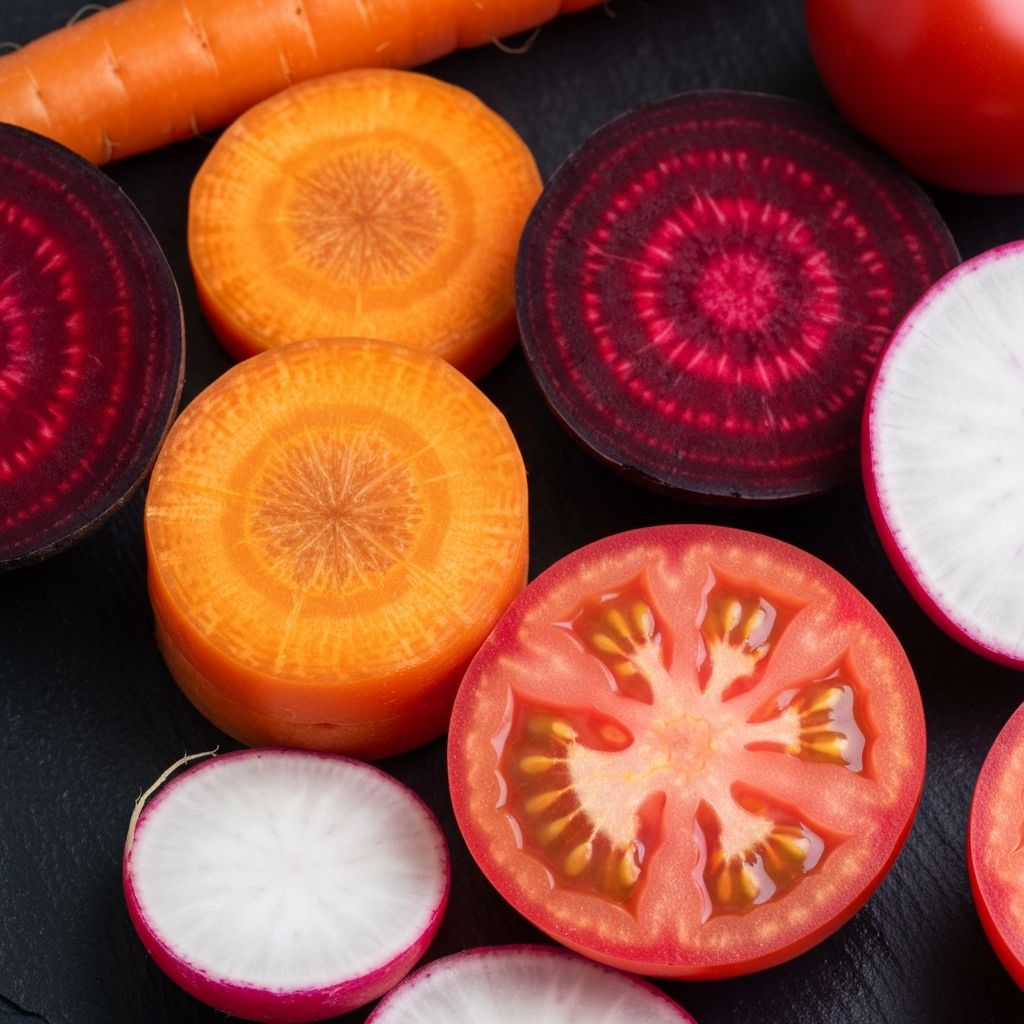
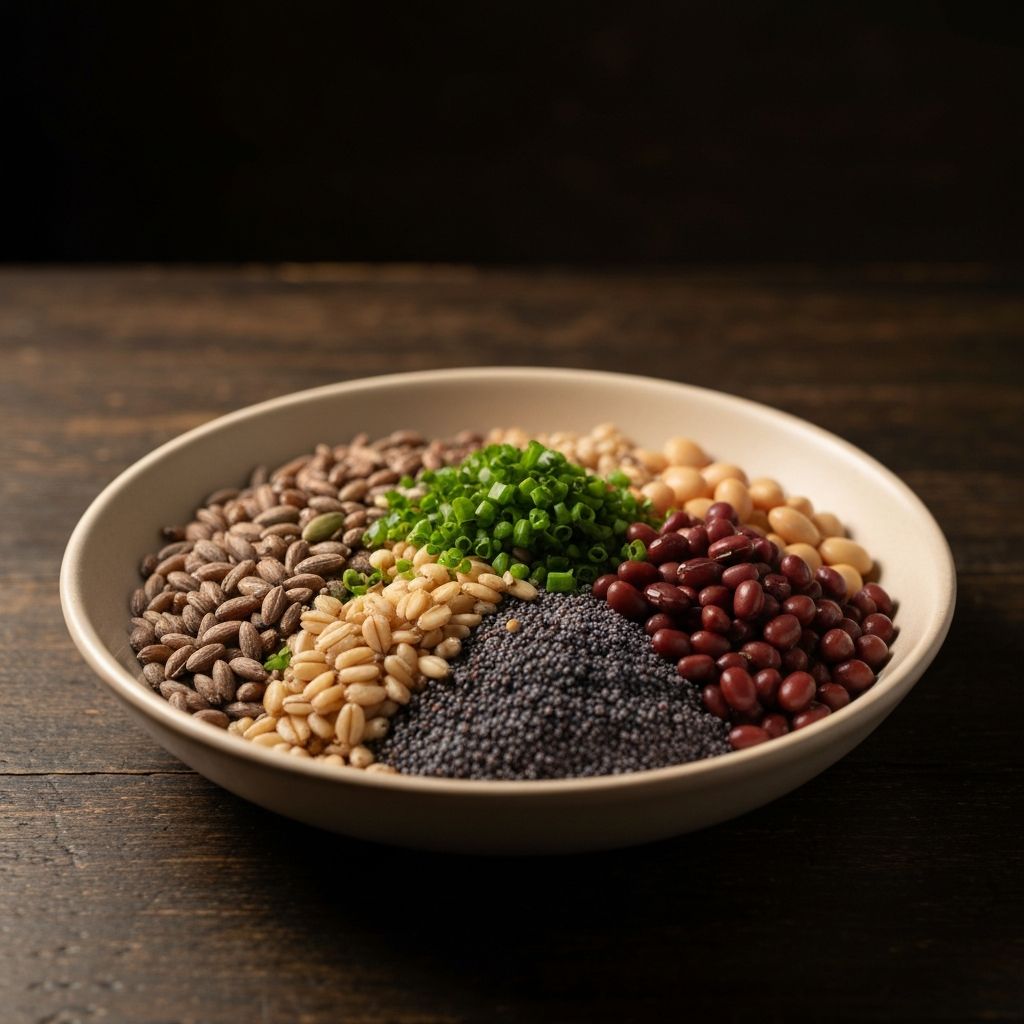
Whole foods are those that remain close to their natural state, with minimal industrial processing. This category is a subject of considerable interest in nutritional research because of the complexity of interactions between nutrients retained in their original food matrix.
Nutrient Integrity
In whole foods, nutrients exist within a complex biological matrix alongside fiber, water, and secondary compounds. This matrix may influence how nutrients are digested and absorbed compared to isolated nutrient forms.
- Fiber structure remains intact
- Naturally occurring enzymes preserved
- Co-occurring micronutrients present
- Phytonutrient complexity maintained
Ingredient Transparency
Whole foods are characterized by a single ingredient — the food itself. This transparency in composition stands in contrast to multi-ingredient processed products, where the origin of individual components may be less discernible.
- Identifiable origin
- No additive compounds
- Recognizable form and structure
- Traceable to specific food groups
Cultural and Culinary Breadth
Whole foods form the foundation of traditional culinary practices across all cultures and geographical regions. Their variety across global food systems reflects the diversity of agricultural environments and historical knowledge systems.
- Foundation of traditional cuisines
- Wide geographic diversity
- Seasonal and regional variation
- Basis of culinary heritage
Exhibition VIII
Sustainable Eating Practices
Sustainable eating is a concept examined within food systems research and environmental sciences. It refers to dietary patterns that take into account the ecological impact of food production alongside nutritional considerations.
This area of study explores the relationship between agricultural practices, food supply chains, and the environmental footprint of various food categories. It does not prescribe individual choices but rather describes the landscape of considerations present in contemporary food discourse.
Food Miles
A term describing the distance food travels from its point of origin to the consumer. It is one of several metrics used in food systems analysis to discuss environmental considerations related to transportation.
Seasonal Eating
The practice of consuming foods that are harvested within their natural growing season in a given region. This concept intersects with agricultural cycles, freshness characteristics, and regional food culture.
Plant-Forward Patterns
A descriptive term for dietary patterns in which plant-based foods form the majority of food intake. Studied across multiple food cultures as an anthropological and nutritional phenomenon, without prescriptive intent.
Key Terms — Exhibition Glossary
- Biodiversity
- The variety of plant and animal species within an ecosystem; relevant to agricultural diversity and crop resilience.
- Agroecology
- The study of ecological processes applied to agricultural systems, exploring interactions between crops, soil, water, and environment.
- Food Sovereignty
- A concept referring to communities' rights to define their own food systems according to their cultural and ecological context.
- Carbon Footprint
- The total greenhouse gas emissions associated with the production, processing, and transport of a food product.
- Regenerative Agriculture
- Farming practices aimed at restoring soil health, increasing biodiversity, and improving water cycles within agricultural land.
- Whole Diet Approach
- An analytical framework that considers the entire dietary pattern rather than individual nutrients or foods in isolation.
- Food Literacy
- The understanding of food systems, nutritional concepts, and culinary skills sufficient to make informed choices about food within one's own cultural context.
Characteristics of Reliable Sources
- Authored or reviewed by qualified nutritionists or researchers
- Clearly references the basis for stated information
- Acknowledges complexity and avoids overgeneralization
- Does not make unsupported absolute claims
- Distinguishes between correlation and causation
- Transparent about limitations of available evidence
- Does not promote or endorse specific products
- Consistent with established nutritional science frameworks
Indicators of Unreliable Sources
- Claims of immediate or guaranteed outcomes
- Promotes a single food as having exceptional powers
- Presents anecdotal evidence as conclusive proof
- Uses highly emotional or alarmist language
- Contradicts broad scientific consensus without citation
- Conceals commercial interests or sponsorship
- Discourages professional consultation without rationale
- Oversimplifies complex nutritional relationships

Information Source Checklist
- Authorship is clearly identified
- No product promotion is present
- Claims are proportionate to evidence
- Content is updated or dated appropriately
- Source acknowledges scope limitations
- No extreme dietary positions are taken
Exhibition X
Our Commitment to Knowledge
Hysotem exists as an independent educational initiative. Our focus is the structured presentation of foundational concepts related to wholesome nutrition, described in a neutral, informational manner without commercial purpose or prescriptive intent.
Every section of this resource is curated with the intent of expanding understanding, not influencing individual decisions. The information presented here describes phenomena and concepts — it does not advise, recommend, or promote.
Knowledge about food and nutrition is a form of cultural and scientific heritage. It is most valuable when presented with clarity, intellectual honesty, and respect for the complexity of the subject.
Exhibition XI
Further Exploration
Continue your journey through the Hysotem knowledge collection. Each section offers a distinct perspective on the study of nutrition.

About
Our Mission
Understand the principles behind this educational resource and its commitment to objective nutritional knowledge.
Explore Further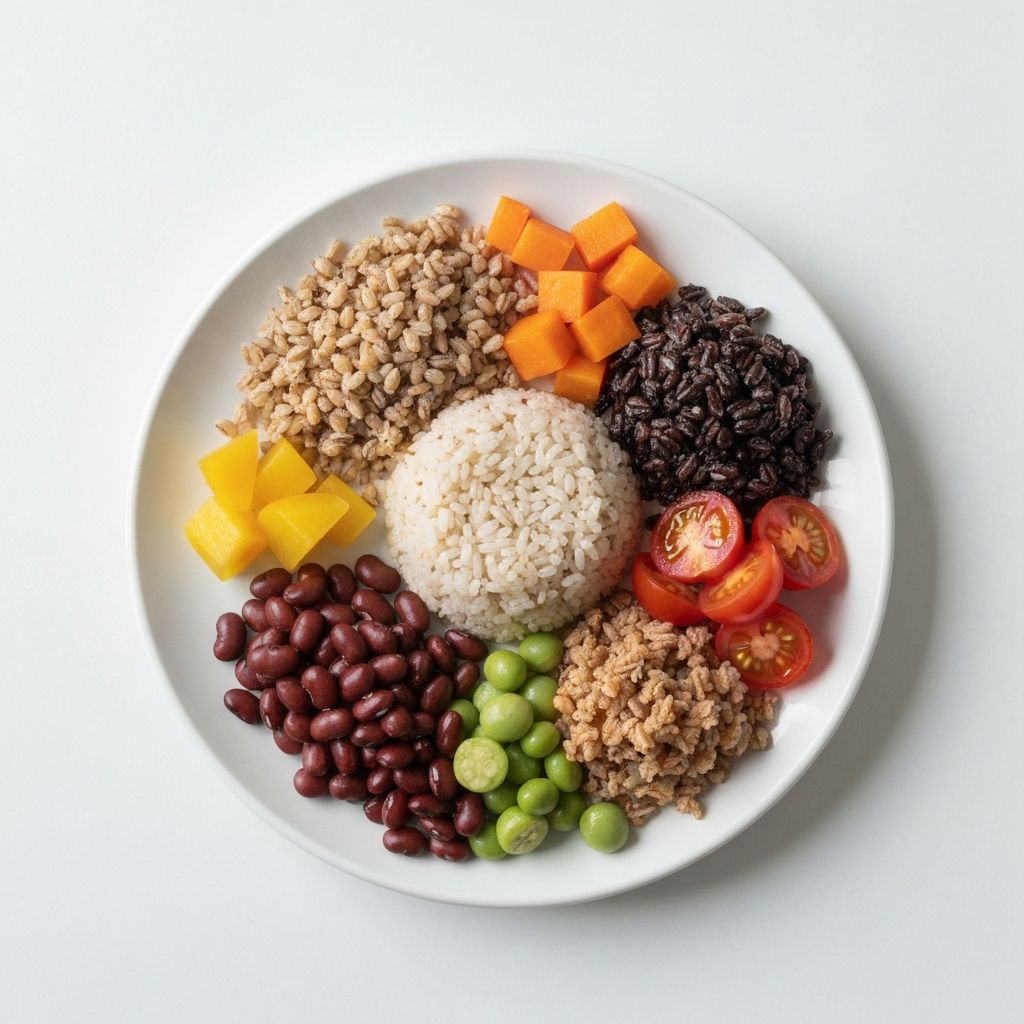
Principles
Foundational Concepts
A structured examination of the core principles that define wholesome, balanced eating patterns across food science.
View Comprehensive Details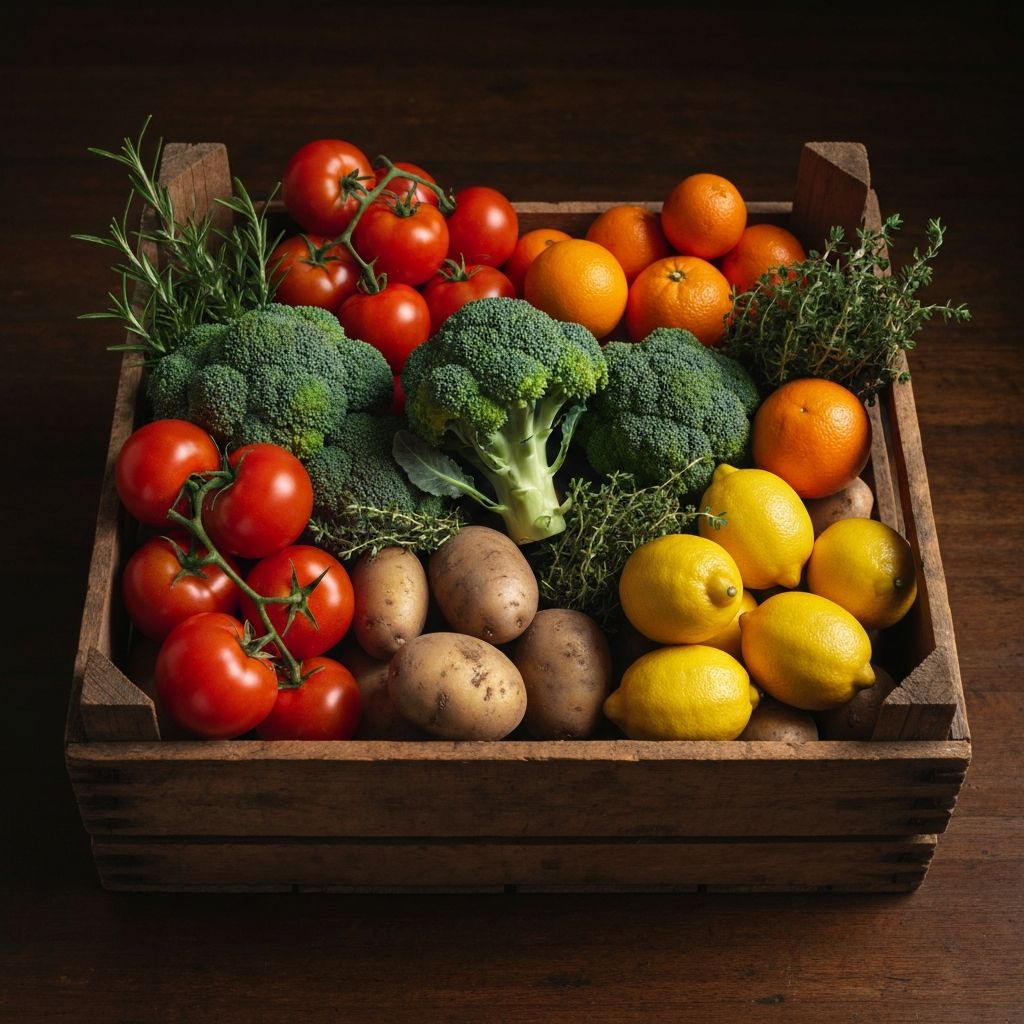
FAQ
Common Questions
Answers to frequently asked questions about nutritional concepts, this resource, and the nature of food information.
Understand the Concepts
Disclaimer
Scope of Content
Important context regarding the informational nature of this resource and the boundaries of the content presented here.
Access Full Article